
Regions
Explore Alpine regions — ski resorts, airports, and travel intelligence per area.
 AT
ATArlberg
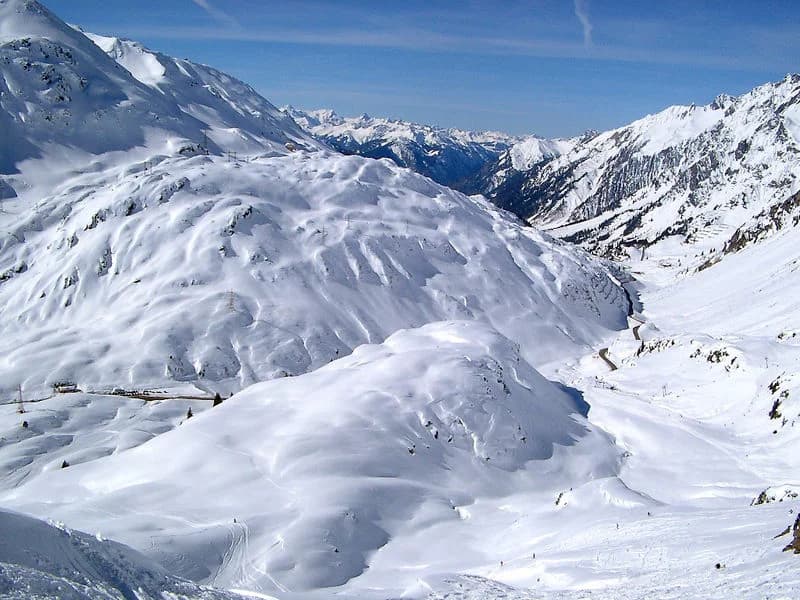
Arlberg is the historic mountain region straddling Tyrol and Vorarlberg, anchored by the 1,793 m Arlberg Pass. Ski Arlberg connects resorts like St. Anton, Lech, and Zürs across approximately 305 km of pistes and 88 lifts (source: Ski Arlberg statistics). Transfer routes use the A12 and S16 or B197, with the 14 km Arlberg Tunnel providing all-weather access for a toll. Innsbruck Airport is about 100 km (1.5–2 hours), Zürich 200 km. Winter chains are often required — Tyrol police enforce this strictly during snow events. The clientele includes many luxury chalet guests and groups travelling with premium luggage or ski equipment. AlpenRide Taxi Transfer AlpenRide Taxi Transfer offers reliable and comfortable transfers from the train station to all major holiday resorts and airports in the region. Whether you are travelling for a ski holiday, a family vacation, or a business trip, we provide safe, comfortable and punctual transportation to your destination. 📍 AlpenRide Taxi Transfer 🚕 Train Station → Holiday Resorts & Airports 📧 info@innsbrucktaxitransfer.com 📞 +43 664 993 983 08 🌐 innsbruck-airport-taxi-transfer.com Book your transfer with AlpenRide Taxi Transfer and enjoy a comfortable journey from the moment you arrive.
Bavaria
Bavaria, Germany’s largest state at approximately 70,550 km², serves as a key transit corridor for travellers transferring south to the Alps. Munich Airport (MUC) anchors Bavarian arrivals, with major motorway routes including the A8 and A95. Transfers from MUC to Bavarian Alps towns—such as Garmisch-Partenkirchen (90 km, 1–1.5 hours) or Berchtesgaden (around 150 km, 2 hours)—require awareness of German motorway rules: no vignette is needed, but Alpine pass roads may have fees. Winter visitors should note that snow chain advisories mirror Austrian practice, especially near the Zugspitze or Reit im Winkl. Many British and Dutch guests transit Bavaria en route to Tyrol or Vorarlberg ski resorts. Seasonal surges occur around Oktoberfest in September–October and late December markets, which can affect both traffic and transfer availability.
Salzburger Land
Salzburger Land is Austria’s alpine province surrounding Salzburg city, covering approximately 7,150 km² with a mix of major winter resorts and year-round spa towns. Salzburg Airport (SZG) is the closest international gateway, positioned on the region’s western edge. Drive times from SZG to most resorts range from 30 to 90 minutes. The A10 Tauern Autobahn runs north-south through Salzburger Land; a motorway vignette is required. Seasonal demand peaks mid-December to early April, especially around holiday periods, when transfer times may increase due to weekend traffic. Notable destinations include Saalbach-Hinterglemm-Leogang-Fieberbrunn (270 km of pistes), Zell am See-Kaprun (lake and glacier), and spa retreats like Bad Gastein. Obertauern remains reliable for snow well into spring, thanks to its 1,740 m altitude.
Salzkammergut
The Salzkammergut is a historic lake region spanning Salzburg, Upper Austria, and Styria, known for 76 lakes and UNESCO-listed areas like Hallstatt-Dachstein. Transfers from Salzburg Airport (SZG) require 1 to 2 hours for most towns—Bad Ischl is about 67 km away, Hallstatt 80 km. The A1 Westautobahn serves as the primary route, but local approaches often follow winding lakeside roads with seasonal delays, especially during summer holidays and Hallstatt’s day-visitor peaks. While winter offers Dachstein-West skiing and extensive cross-country trails, the region is used year-round for hiking, bathing, and cultural events. Corporate groups and families frequent the area due to wellness resorts and historic sites. Pre-booked transfers avoid parking and access restrictions near lakefronts, with off-peak journeys strongly advised for Hallstatt and Wolfgangsee.
Tirol
Tirol is Austria’s leading alpine state for winter transport logistics, covering 12,648 km² and home to approximately 760,000 residents. The region’s dense ski infrastructure includes St. Anton am Arlberg, Sölden, Ischgl, Mayrhofen, and Kitzbühel—all typically reachable from Innsbruck Airport (INN) within 60–150 minutes. Glacier resorts like Hintertux and Sölden offer extended seasons from October to May. Main access is via the A12 Inntal motorway and A13 Brenner route (toll; vignette required). Snow chain laws apply from 1 November to 15 April on most mountain roads, with daily advisories issued by the Tirol road authority. Transfers from Munich Airport (MUC) range from 2–4 hours depending on resort and weather conditions.
Vorarlberg
Vorarlberg, Austria’s westernmost province, spans approximately 2,601 km² and borders Switzerland, Liechtenstein, Germany, and Tirol. Ski resorts like Lech-Zürs and Silvretta-Montafon (140 km piste) are known for premium lodgings and a quieter atmosphere than Tirol. Private transfers from Zürich Airport (ZRH) cover around 200 km in 2–2.5 hours, while Innsbruck (INN) is roughly 150 km away—yet similar in drive time due to winding alpine routes. Snow chain regulations match Tirol’s November to April window. Expect higher per-night lodging costs and strong cross-border traffic, especially from southern Germany.