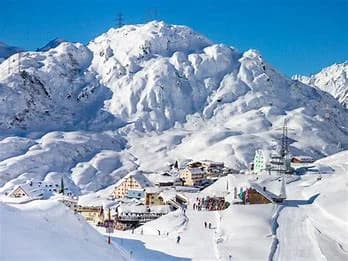
A practical guide to St. Anton am Arlberg: who it's for, what to do in every season, dining, après-ski, and how to get around without a car. Includes local mobility and airport transfer tips for real travellers.
Getting around without a car
St. Anton am Arlberg is compact, but local mobility depends on your accommodation and itinerary. Most hotels and guesthouses in the village centre are within 500 m of the Galzigbahn and Rendlbahn valley stations. Walking from the train station to the main lifts takes under 10 minutes, but some chalets and pensions in Nasserein or on the Sonnenwiese require a 15-20 minute walk uphill, especially in snow. The free ski bus network links key points: the Nassereinbahn, Dorfzentrum, and outlying hamlets such as St. Jakob and Pettneu. Note the last buses to St. Jakob and Pettneu typically depart around 19:00-20:00; later returns may require a taxi, which can be scarce during peak weeks.
In summer, the bus system operates on a reduced timetable, with fewer evening departures. Mountain bikers and hikers can use the local buses to reach trailheads at the Talschluss or return from neighbouring villages, but should check for bike carriage restrictions. The Arlberg lift system offers gondola and chairlift access for pedestrians and bikes, but not all lifts run daily outside the main season.
For dinner in neighbouring St. Christoph or Pettneu, plan your return in advance: after 21:00, public transport options are limited, and walking along the B197 is not recommended due to narrow verges and winter conditions. Some hotels offer shuttle services, but these are usually pre-booked and not always available late. Taxis are unmetered and should be reserved by phone, especially during Friday and Saturday evenings.
Parking is tightly regulated in the centre. Day visitors must use the large pay car parks at the eastern and western edges of the village. Electric vehicle charging points are available at the west car park and selected hotels. For those arriving by train, luggage trolleys are available at the Hauptbahnhof, and most central hotels offer porter service if arranged in advance.
Where it is and who it suits
St. Anton am Arlberg sits at 1,304 m on the western edge of Tyrol, Austria, at the foot of the Arlberg Pass. The village is renowned for its challenging terrain and is best suited to confident skiers, snowboarders, and active summer visitors. Families with young children may prefer accommodation closer to the Nasserein area for gentler slopes and easier access to ski schools. The main street, Dorfstrasse, is lined with hotels, shops, and services, making it accessible for those without a car. The area attracts international guests, especially from the UK, Germany, and Scandinavia, seeking both sport and vibrant après-ski.
Things to do in winter
The Arlberg ski area connects St. Anton with St. Christoph, Stuben, Zürs, and Lech, offering over 300 km of pistes and 88 lifts. Advanced skiers favour the Valluga North descent and the steep runs from Schindlergrat. Snowboarders and freeriders can access extensive off-piste terrain, but avalanche risk is significant—hire a guide for safety. Non-skiers can enjoy winter hiking trails, tobogganing from Gampen to the village, or relax at the Arlberg WellCom wellness centre.
Things to do in summer
From June to September, St. Anton is a base for hiking, trail running, and mountain biking. Popular routes include the ascent to the Kapall summit and the Verwall valley loop. The Arlberg Giro cycling event draws road cyclists in late July. Families can visit the Sennhütte alpine flower garden or swim in the outdoor pool near the village centre. Guided e-bike tours and via ferrata climbs are available for various ability levels.
Where to eat
Dining options range from classic Tyrolean Stuben serving Gröstl and Käsespätzle to international cuisine in hotel restaurants. For a mountain lunch, several huts near the Galzig and Gampen lifts offer hearty dishes with panoramic views. In the village, bakeries and cafés provide lighter meals. Reservations are recommended for dinner during high season, especially at venues near the main lifts. Vegetarian and vegan choices are increasingly available, but confirm in advance.
Evenings and après-ski
Après-ski in St. Anton is concentrated around the base stations and the lower Dorfstrasse. Well-known venues such as MooserWirt and Krazy Kanguruh fill up from mid-afternoon, with live music and crowds until early evening. Later, the atmosphere shifts to bars, lounges, and a handful of nightclubs in the centre. Most establishments close by 02:00, and noise regulations are enforced in residential areas. For a quieter evening, several hotel bars and wine cellars offer a more relaxed setting. Some venues require a short walk uphill or along icy pavements, so appropriate footwear is advised.
Getting here from the airport
St. Anton is accessible from Innsbruck Airport (INN, approx. 100 km) and Zurich Airport (ZRH, approx. 200 km) via the A12 and S16 motorways. Private transfers offer direct service to your accommodation, which is especially useful for late arrivals or groups with ski equipment. The village railway station is served by regional and Railjet trains, but note that not all hotels are within easy walking distance, particularly in winter conditions.
FAQ
Is St. Anton suitable for beginners?
While St. Anton is known for challenging slopes, the Nasserein area offers gentle beginner runs and several ski schools. Complete beginners may find the terrain steeper than other Austrian resorts, but instruction is available in English and German.
Are there childcare facilities in the resort?
Several hotels and the local ski schools provide childcare for children aged 3 and up. Advance booking is essential during peak weeks, and evening babysitting should be arranged directly with your accommodation.
Can I reach Lech or Zürs easily from St. Anton?
The Flexenbahn gondola connects St. Anton to Zürs and Lech as part of the Arlberg ski circuit. In winter, this allows for a continuous ski route; in summer, bus and taxi are required as the lift does not operate year-round.
Where can I rent ski or bike equipment?
Rental shops are concentrated near the Galzigbahn and Nassereinbahn valley stations. Advance reservations are advisable during school holidays and major events. Some outlets offer overnight equipment storage close to the lifts.
Is it possible to self-cater in St. Anton?
Supermarkets and bakeries are located along the main street, with extended hours during winter. Apartments and chalets with kitchen facilities are available, but pre-booking is advised for peak dates.
